



Design and Construction of Various Types of Stairs
In Negar Taradis, various types of modern stairs are designed and constructed according to the architectural style and dimensions required.

Modern stairs can be classified into various categories:
- Based on the type of final material: such as wood, metal, glass, composite, etc.
- Based on the type of metal frame: such as single-axis, double-axis, etc.
- Based on the type of architectural shape: such as spiral or curved, circular, square, etc.
The engineering and architectural group of Negar Taradis is prepared to provide services to employers in the field of designing and constructing modern metal stairs in any dimension and number of floors according to the architectural style of the project, based on the above classification.
Two-Axis Sheet
Dimension Limitation: It is better for the internal radius of the stairs not to be less than 55 centimeters.
Approximate weight per meter of height: 100 kilograms (for stairs with an external radius of 250 centimeters and a step width of 100 centimeters)
Materials: 10 mm sheet for side sheets and 40 x 40 mm profile for step floors.
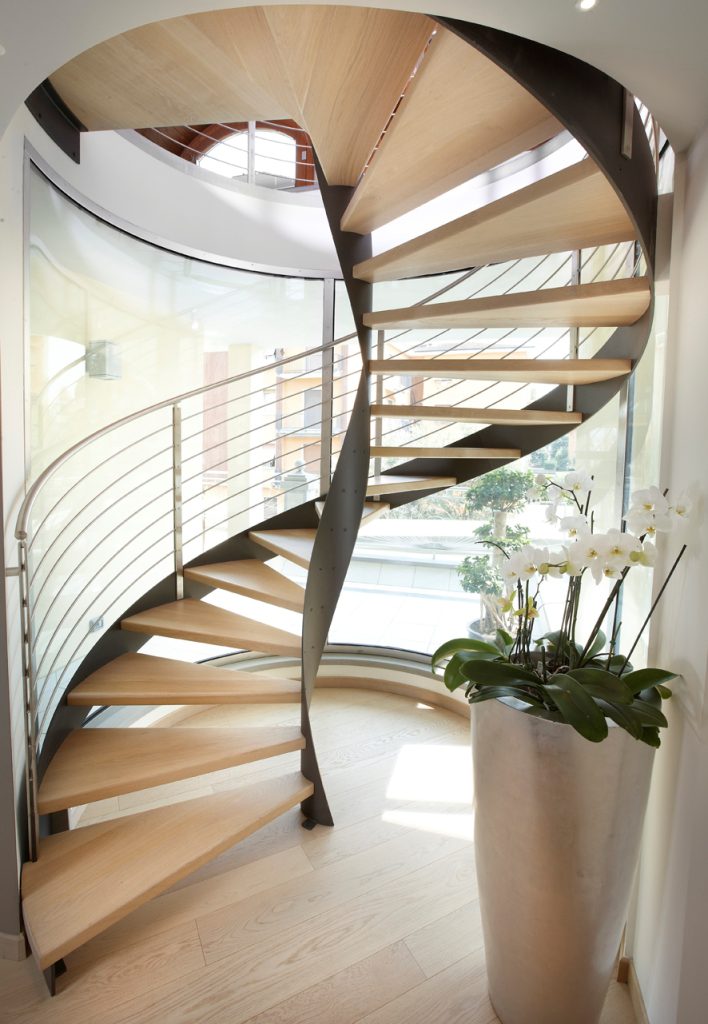
Two-Axis Box
Dimension Limitation: It is better for the internal radius of the stairs not to be less than 55 centimeters.
Approximate weight per meter of height: 140 kilograms (for stairs with an external radius of 250 centimeters and a step width of 100 centimeters)
Materials: 4 mm and 6 mm sheets for side sheets, 4 mm sheet for covering, and 40 x 40 mm profile for step floors.
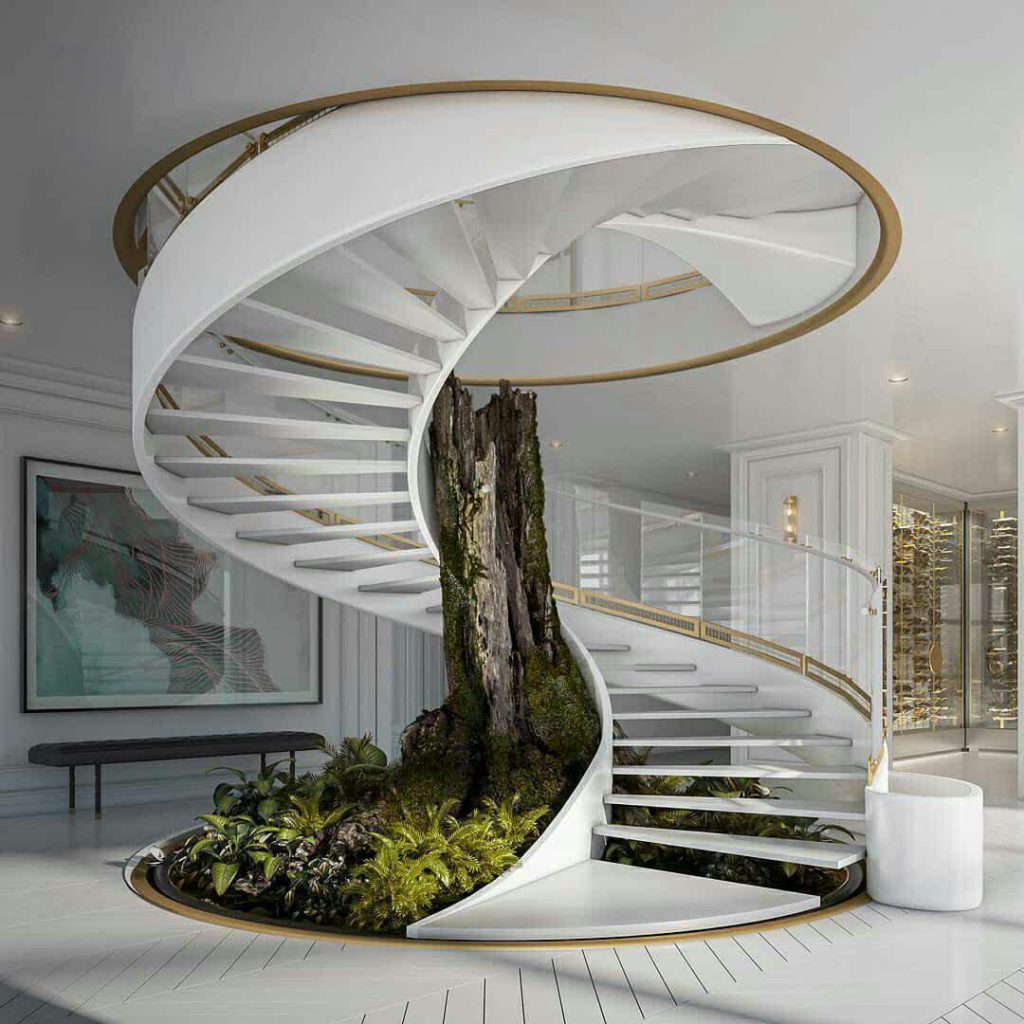
Sub-Axis (Middle Axis)
Dimension Limitation: The internal radius of the stair axis should not be less than 85 centimeters.
Approximate weight per meter of height: 115 kilograms (for stairs with an external radius of 250 centimeters and a step width of 100 centimeters)
Materials: 6 mm sheet for side sheets, 4 mm sheet for covering, and 40 x 40 mm profile for step floors.
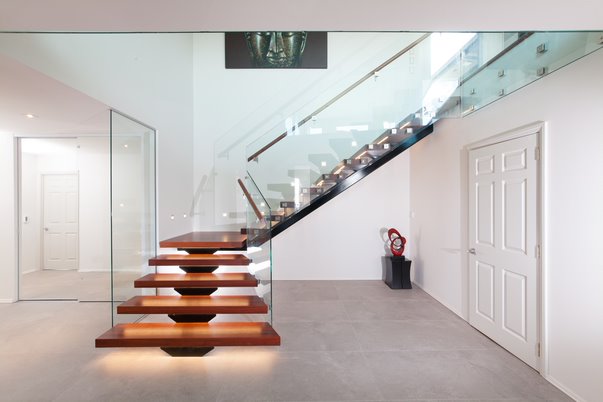
Single-Axis Console
Dimension Limitation: The external radius of the stairs should not be less than 70 centimeters, and the step width should not exceed 85 centimeters.
Approximate weight per meter of height: 90 kilograms (for stairs with an external radius of 150 centimeters and a step width of 85 centimeters)
Materials: 4 mm and 8 mm sheets for side sheets, 4 mm sheet for covering, and 40 x 60 mm profile for step floors.
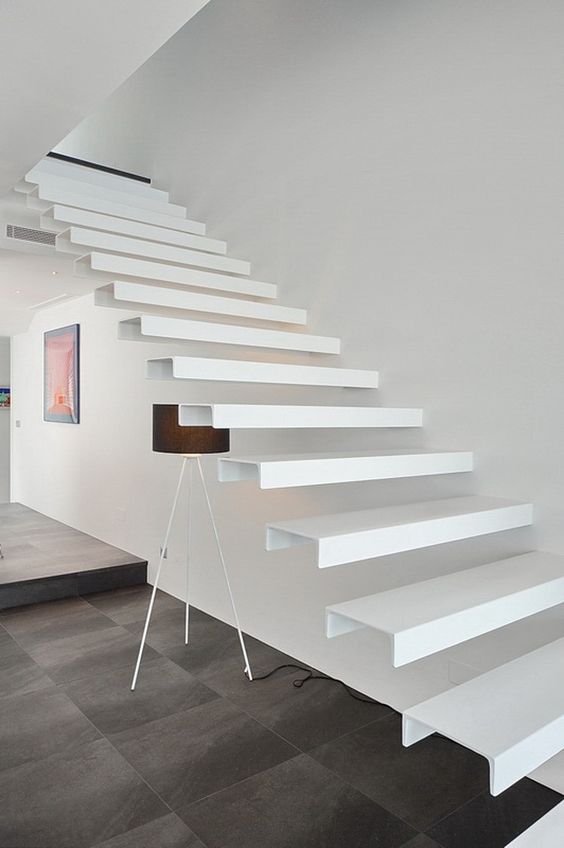
Center-Cut Axis
Dimension Limitation: The external radius of the stairs should not be less than 95 centimeters.
Approximate weight per meter of height: 95 kilograms (for stairs with an external radius of 115 centimeters and a step width of 100 centimeters)
Materials: 8 mm pipe and 4 mm sheet for side sheets, and 40 x 40 mm profile for step floors.
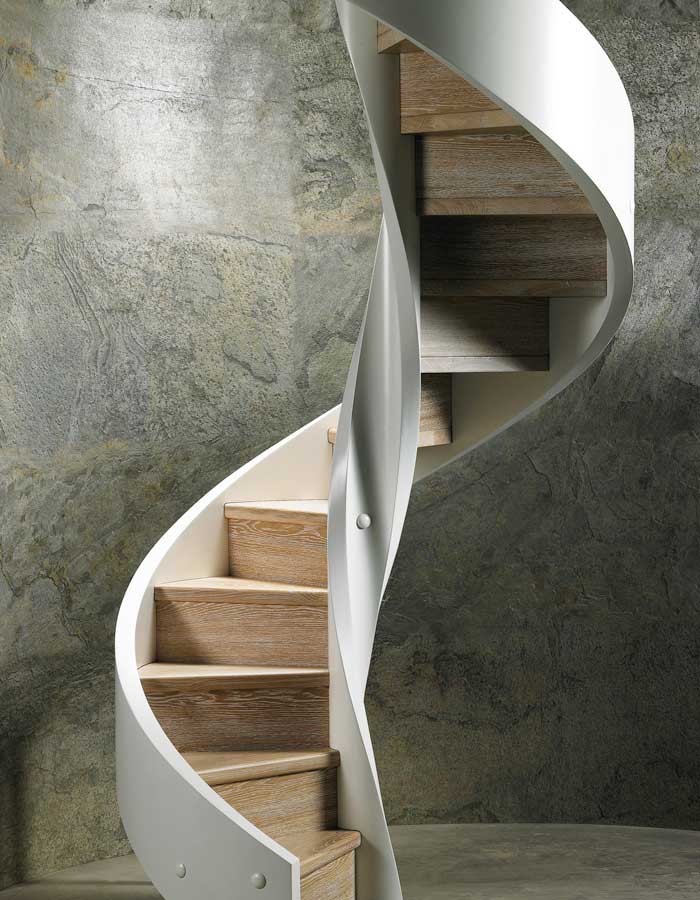
Pipe with Spiral Band (Spiral)
Dimension Limitation: The external radius of the stairs should not be less than 75 centimeters.
Approximate weight per meter of height: 65 kilograms (for stairs with an external radius of 95 centimeters and a step width of 90 centimeters)
Materials: 90 mm diameter pipe and 4 mm sheet for side sheets, and three 20 x 30 mm profiles for step floors.
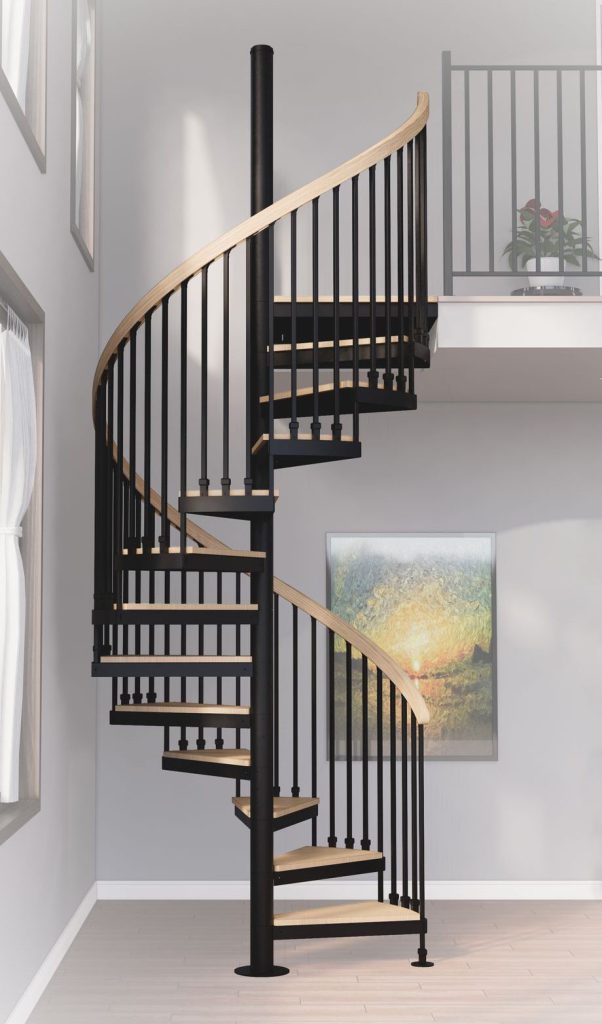
Custom Stairs
Dimension Limitation: The internal radius of the stairs should not be less than 55 centimeters.
Approximate weight per meter of height: Depends on the materials used.
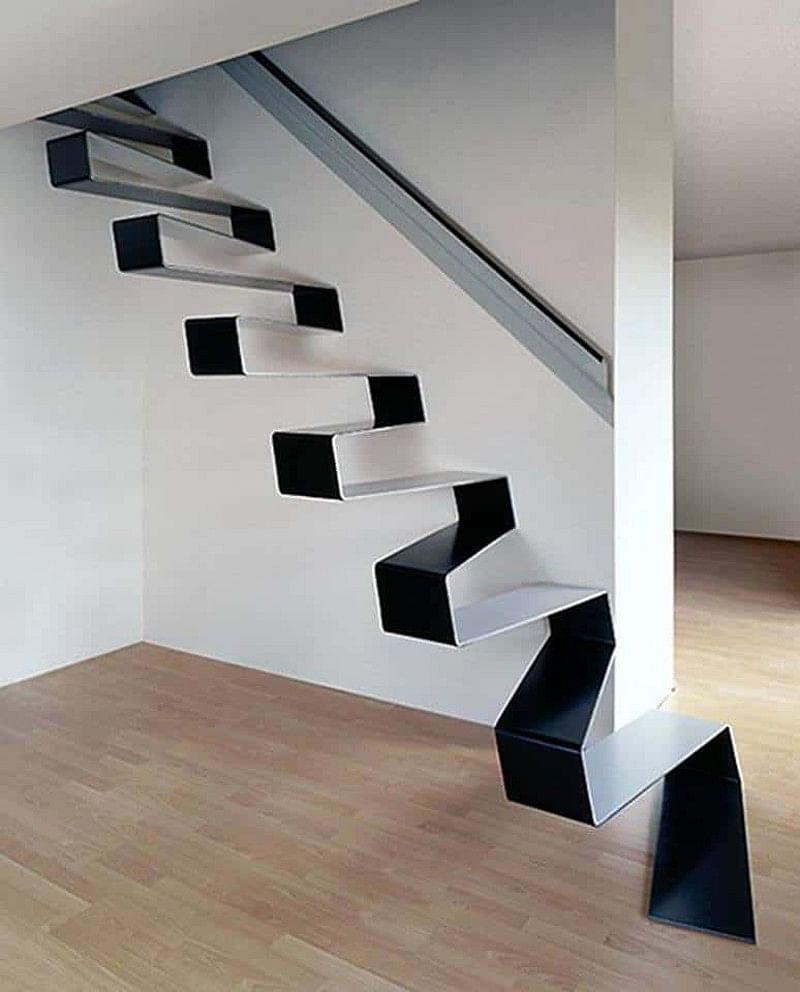
Design and Construction of Various Types of Stairs
In the world of stair design and construction, each stair shares a unique story. From ordinary stairs in homes and workplaces to artistic and creative stairs in public spaces, each portrays beauty.
Designing and constructing various stairs is not just an engineering process but an art that seeks to balance beauty and functionality. Each stair adds its own charm to the space with a unique style, establishing a deep connection between humans and architecture.
From the materials used to the shapes and patterns applied, every detail of a stair can narrate a story. The design and construction of stairs hold significant importance as they not only reflect the connection between nature and architecture but also have a remarkable impact on people’s experience and perception of spaces.
Introduction to Design and Construction of Various Stairs
Designing and constructing various stairs is one of the important and fascinating aspects of architecture and interior design. Stairs not only connect different floors of a building but also act as a beauty and artistic element in interior spaces.
In stair design, various factors such as slope, height, width, materials used, and patterns applied are influential. Choosing the correct slope and dimensions of stairs is crucial for their ease of use and safety, particularly for elderly individuals and children.
Moreover, the choice of materials used in stair construction requires consideration of the environment and users’ needs. From wood and metal to glass and stone, different materials can contribute to both the beauty and strength of stairs.
In addition to materials, the patterns and designs used in stair design are also crucial. From simple stairs with minimalist designs to artistic and creative stairs with unique patterns and shapes, each design can add a special character to a space.
Ultimately, designing and constructing stairs as both an art and a science holds great significance. Stairs must not only be safe and efficient but also beautiful and attractive to enhance people’s experience of moving through spaces and add beauty to them.
Advantages of Designing and Constructing Various Stairs
Designing and constructing various stairs offers numerous advantages that enhance the connection between spaces, increase the beauty and attractiveness of environments, improve safety and ease of use of spaces, create flexibility in interior design and architecture, and enhance the added value of buildings.
One of the main advantages of designing and constructing stairs is improving the connection between different floors of a building. Stairs act as a communicative element between floors, allowing individuals to move easily between floors without the need for elevators or escalators.
Stairs designed with inspiration from art and creativity can bring more beauty and attractiveness to a space. Carefully designed stairs can be an artistic work in themselves, offering a different experience.
In addition to beauty, properly designed stairs can ensure the safety of users. The correct form and dimensions of stairs, the use of durable and suitable materials, and the creation of non-slip surfaces are factors that ensure the safety of users when moving on stairs.
Furthermore, designing stairs creates greater flexibility in the interior design and architecture of spaces. By choosing appropriate designs, materials, and colors for stairs, new and attractive spaces can be easily created, adding diversity and beauty to environments.
Ultimately, designing and constructing stairs as a fundamental element in interior design and architecture add great value to buildings and enhance people’s experience of using spaces.
Points to Consider in Stair Design and Construction
In designing and constructing various stairs, strict adherence to technical and aesthetic considerations is vital for stairs to be simultaneously beautiful, safe, and efficient. These points emphasize the importance of choosing the correct dimensions, suitable materials, designing patterns, and adhering to safety standards throughout the design and construction process.
One of the important points in stair design is their correct dimensions. The height, width, and depth of stairs should be such that moving on them is easy and safe for individuals. Additionally, the slope of the stairs should be chosen in a way that makes it easy to use, especially for elderly and children.
The choice of materials used in stair construction is also very important. Materials must be durable, stable, and suitable for the environment of use to ensure that stairs have a long lifespan and adequate strength. Furthermore, choosing materials with a beautiful and high-quality appearance can enhance the special appeal of stairs.
Unique patterns and designs on stairs are also important points. Patterns and designs applied to stairs can add more attractiveness and beauty to stairs and make the experience of using them more appealing.
Adherence to safety standards and regulations in stair design and construction is crucial. Creating non-slip surfaces, installing handrails and stairs according to the building’s design, and creating appropriate lighting around the stairs are among the factors that should be considered to ensure the safety of users.
In conclusion, artistic beauty and design also play an important role in attracting attention and enhancing the aesthetic value of stairs. By combining technical precision and artistic taste, stairs can be designed that not only enhance the quality of life but also add beauty and grandeur to the space.